The Global Restoration Collaborative
a big, bold, civilization-shifting convening of people and organizations who should have been talking, but weren’t.



It’s become painfully clear: events are overtaking us.
For the survival of humanity, biodiversity, and ecosystem integrity, we are building bold, ambitious, aspirational goals and programs that join previously siloed communities, networks and programs, to break outside our business-as-usual boxes.
The Global Restoration Collaborative is a forum to build a global restoration movement, in order to shift a wiser ecological civilization forward.
We bring together siloed communities working on Earth repair, climate repair, and societal repair to accelerate and deepen progress towards the UN Decade of Ecosystem Restoration and beyond, by building a big, broad front of powerful and unifying change.
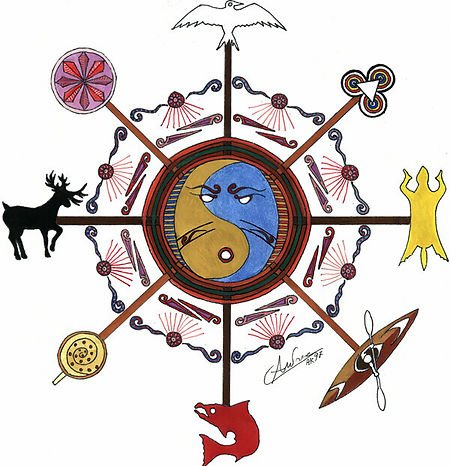
We especially convene women and youth leaders, Indigenous cultural bridges, scientists, artists, media changemakers, educators, and cultural and social facilitators who feel called to help bring about a shared vision of an ecological civilization and economy. One that is wiser, much more collaborative, and much more ecologically grounded: ‘where people and the planet actually matter.’
We are a registered Actor in the UN Decade, working to build a major dynamic global movement.
The GRC was founded in 2022 by John D Liu, cofounder of Friends of the Ecosystem Restoration Movement, Ecosystem Restoration Communities and other initiatives, and Phoebe Barnard of the Conservation Biology Institute and Universities of Washington and Cape Town.
We are a medium-term convening forum. We’re not an organization. We can remain nimble.
We are also a roundtable of champions and specialists in Earth repair, climate repair, biodiversity conservation and rewilding, ecosystem health and social reconnection. We explicitly work to bridge Indigenous and western worldviews of humans’ relationships with Nature, and with each other.
We are fiscally sponsored as an initiative of the EcoRestoration Alliance.
We work in action verbs!
- ACCELERATING — progress to return our Earth, climate and society to a more stable, healthy state
- ALIGNING and UNIFYING — movements, messages, organizations and people
- UPSCALING and OUTSCALING — restoration work on the ground, everywhere
- UPSKILLING — changemakers to the demands of a new world
- INNOVATING — socially, culturally, technically, financially
- REWEAVING — human relationships with Nature and each other
…to pull humanity and all life on Earth back from the brink in time.
Our 2050 Goals
- 1 billion people globally engaged in restoration (350k+ by 2030) — directly or indirectly
- A global network of thriving multicultural communities, connected to nature & each other
- A regenerative civilization & economy emerging in tangible, positive seeds
- 14+ gT of carbon annually removed from the atmosphere
- 2075 million hectares of land globally under restoration*
- 200 of 230 major watersheds globally under restoration*
- Quadrupled goals for coastal / ocean habitat restoration under SDG14
Organizational mapping
Map relevant alliances, people and organizations in IGO, NGO, government and academic communities keen to collaborate for greater impact; identify their priorities and values.
Logistical collaboration
Identify existing areas, infrastructure, experts, equipment in which the strategic planning work of collaborating partners in both ecosystem and climate restoration can be closely and cost-effectively aligned for everyone's practical benefit.
Youth & women upskilling in leadership & field capacity
Link and upskill leadership in the field through exchange — primarily between ecosystem restoration and climate restoration global networks, select field-based biodiversity conservation, rewilding and regenerative land/ocean networks. Practical, hands-on restoration skills and practice.
Funding and facilitation
Global agencies, others dramatically increase funding to link and energize these fields — one incipient, most older — as a global change grand challenge within and beyond UN Decade strategic plan.
Most of humanity's problems have arisen from mindsets of separation, domination, extraction, and profiteering. But humanity isn't necessarily that way. Ancient civilizations survive which have held different values and relationships, both with Nature and each other. We work to help translate and spread these Indigenous values and practices throughout the world, and to help communities embrace a more collaborative, feminine leadership by all kinds of people.
Few youth leaders have easy access to practical, direct, field- and classroom-based training in regeneration skills. Through collaboration with organizations acting at hyperlocal and local levels, youth leaders and activists will be gainfully equipped with clear pathways for participation, and skills-building in restoring ecosystems, conservation, rewilding and carbon removal. They can also help shape older colleagues to test and embrace bolder ideas!
Partnerships between global alliances help all members have impact, learn cross-pollinating lessons, and significantly strengthen many funding proposals. Specific proposed actions are still in development. But they will fall within these four elements.
Two-way mentorship, participatory learning and capacity building in practical, field-based restoration skills, community leadership, policy and strategy will not simply be program-based, or restricted to the UN Decade, but an ongoing basis for building the newer, more regenerative, wiser civilization and economy. Capacity building and cross-pollination learning for youth, women and others fell outside the Global Biodiversity Framework, but is universally acknowledged in UN and other initiatives as a cross-cutting priority for the future.
Big, bold and large-scale ambition, with targets, is needed to restore our planet and climate. This involves carefully planned rewilding, including planning with the behavioral sciences to avoid human/wildlife conflict.
Academic supporters so far:
Prof Osvaldo Sala, Director, Global Drylands Center, University of Arizona Global Institute of Sustainability & Innovation.
Prof Chris Sandbrook, Director, Cambridge University Masters of Philosophy in Conservation Leadership.
The GRC core team
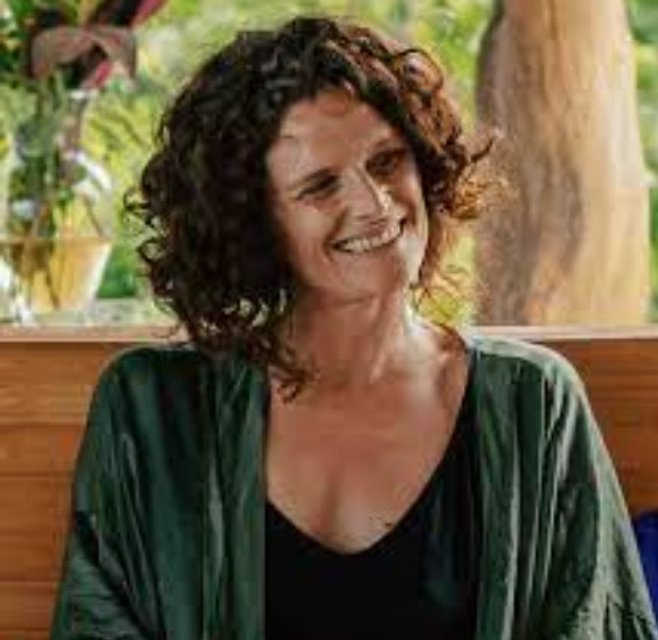
Aude Péronne
Ecosystem Stewardship & Restoration Design, Friends of the Ecosystem Restoration Movement
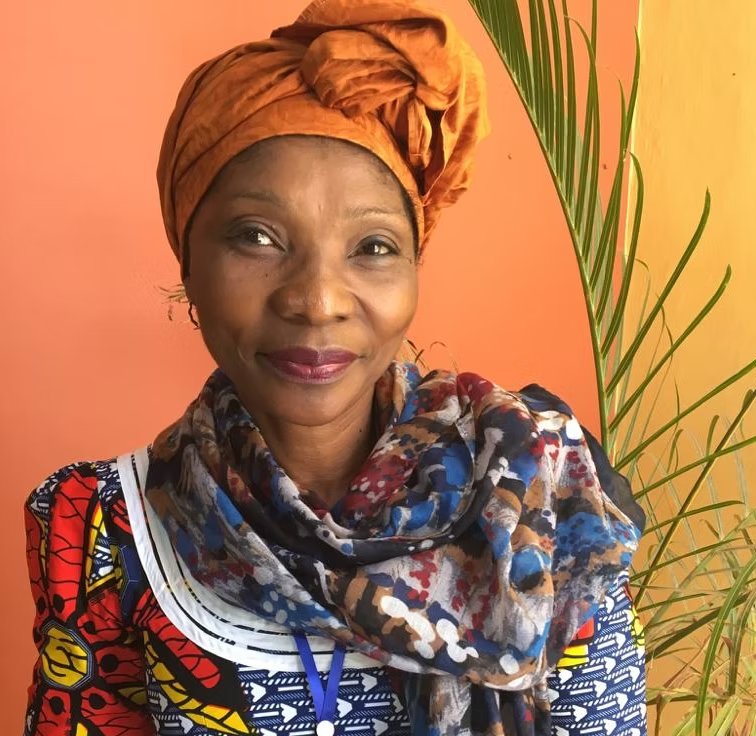
Cécile Ndjebet
Founder-President, REFACOF (African Women's Network for Community Forest Management)
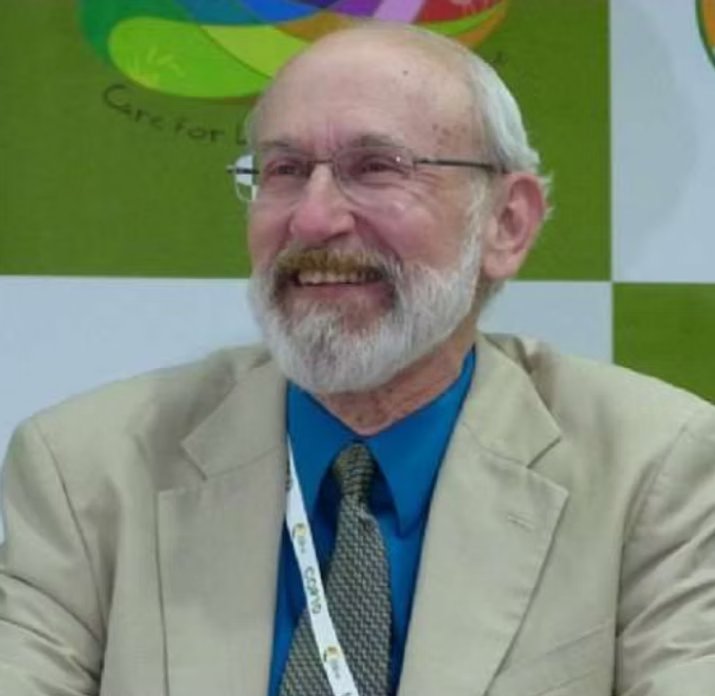
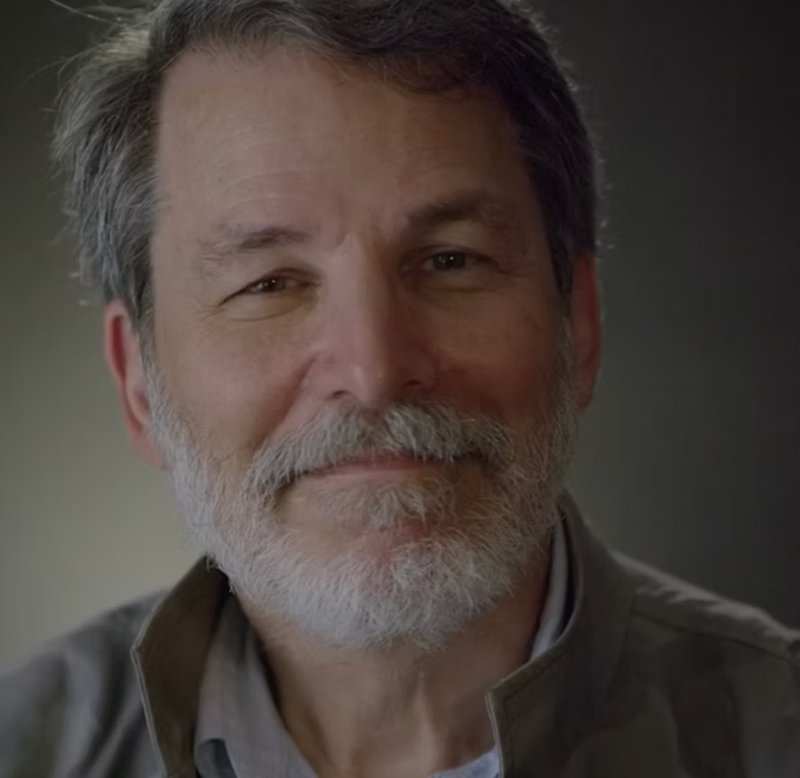
Jon Schull
Co-Founder and Executive Director, EcoRestoration Alliance; Co-Founder, E-NABLE
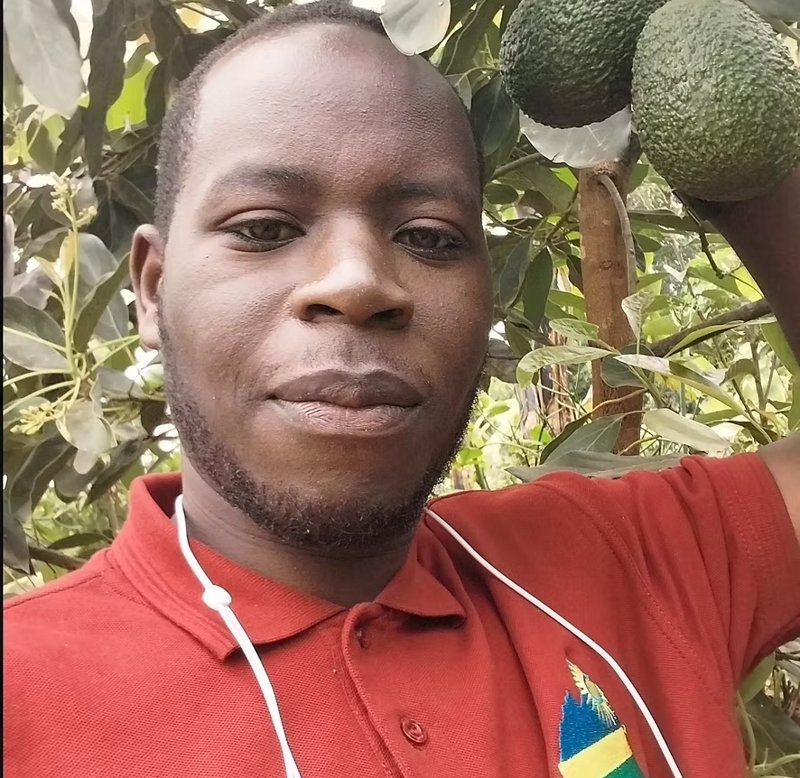
Leo Iyamuremye
Co-convener GRC; Ambassador, Youth4Nature Rwanda, and Owner, Lewentours Rwanda
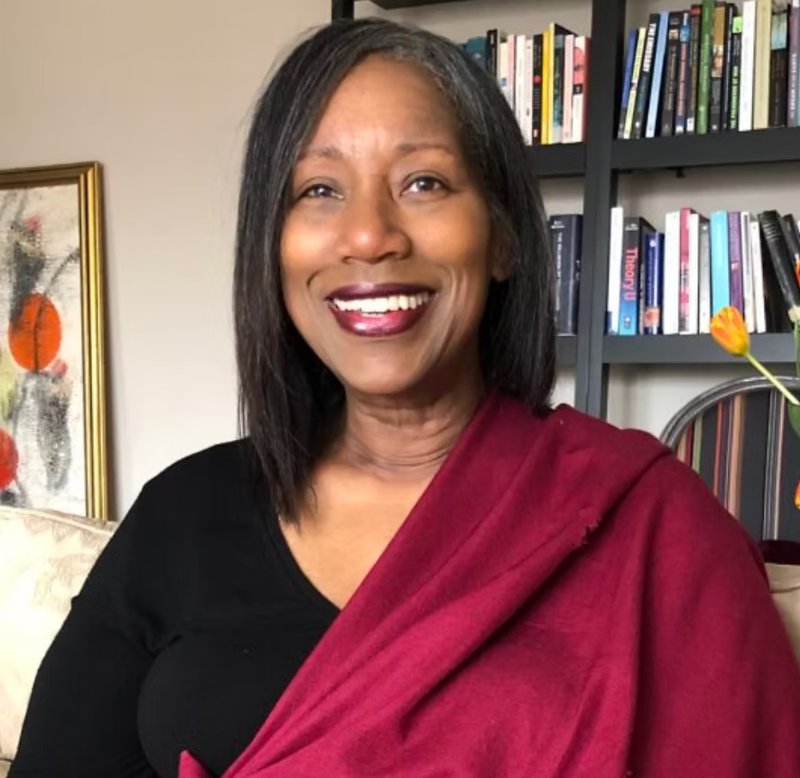
Myra Jackson
Global Freshwaters Champion, UN Permanent Representative of the Commons Cluster of NGOs
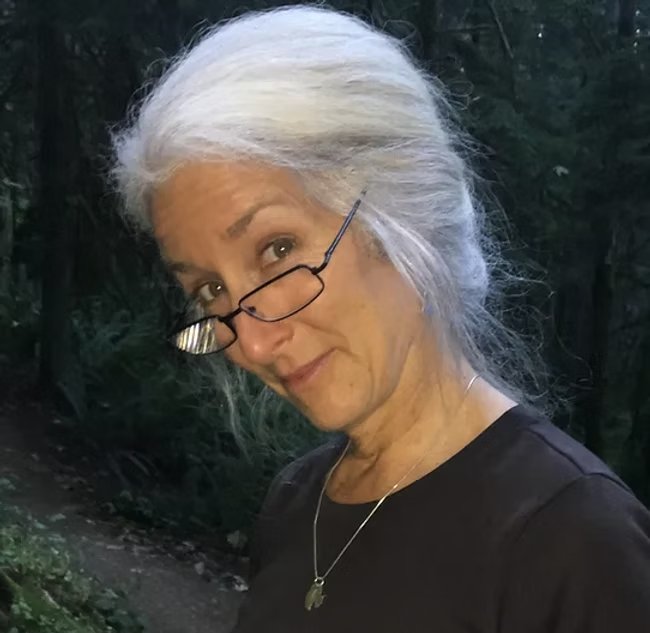
Phoebe Barnard
Co-convenor GRC; Biodiversity & Climate Scientist, Civilization Shift Convener, Film Co-Producer, Environmental Futures Professor

Initial Concept Developers
Prof Phoebe Barnard, biodiversity scientist, policy strategist and societal futurist, has been a Fulbright Scholar and recipient of the Distinguished Service Award of the Society for Conservation Biology. She coauthored World Scientists’ Warning of a Climate Emergency and led the World Scientists’ Warnings into Action: Local to Global action framework published during COP26. A longtime UN negotiator for Namibia and founder of its national biodiversity and climate programs, she is founding CEO, now advisor, of the Stable Planet Alliance (a global coalition of organizations working to reduce human overshoot), affiliate full professor at University of Washington, affiliate researcher at the African Climate and Development Initiative and FitzPatrick Institute, University of Cape Town, mentor to young conservation leaders in Africa and globally, and co-producer of the 2024 global documentary series, “The Climate Restorers: Back to our Future.” This Collaborative is now one of her chief efforts.
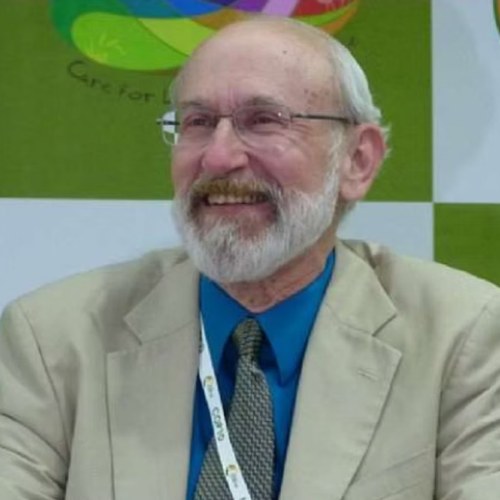
Dr Dennis Garrity, former Director-General of World Agroforestry (ICRAF, 2001–2011), is Chair of the Board of the Global EverGreening Alliance, a Senior Fellow at the World Resources Institute, and a Distinguished Senior Research Fellow at ICRAF. He is a systems agronomist and research leader whose career has been focused on the development of small-scale farming systems in the tropics. He has served as Drylands Ambassador for the UN Convention to Combat Desertification, emphasizing the role of agroforestry, evergreen agriculture and landcare as critical to sustainable land management. Like Phoebe and John, Dennis is a determined and energetic advocate for a regenerative society, economy and society.
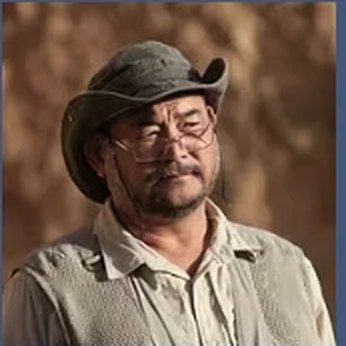
John Dennis Liu, globally known ecosystem restoration and soil scientist and filmmaker based in Beijing and Kentucky, founded the global Ecosystem Restoration Camps movement and chairs its advisory board. After 15 years as a TV producer and cameraman for CBS News, RAI and ZDF, John studied soil science and ecology and has driven participatory media collaborations in China and other countries leading to the Environmental Education Media Project, EEMP, which he directs. EEMP has distributed >1000 environmental films in China since then, and helped found the China Environment and Sustainable Development Reference and Research Center. John has been a visiting fellow at University of the West of England and Senior Research Fellow for IUCN. John received the Society for Ecological Restoration’s Communications Award and a film, Green Gold about his work by the VPRO won a Prix Italia Award. His classic film Hope in a Changing Climate was named the best ecosystem film by the International Wildlife Festival. John is also ambassador for the Commonland Foundation and actively engaged in building youth leaders.
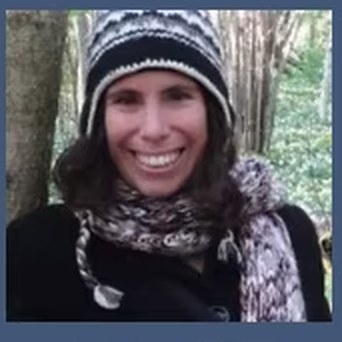
Noa Steiner, supported the development of this concept with strategic policy and organizational networking advice. She is a global biodiversity policy strategist and networker, former Global Policy Officer at BirdLife International, Cambridge University guest lecturer in its conservation leadership masters course, and Conventions and Policy Support Officer at UNEP-WCMC. She is based in Kiel, Germany and follows CBD negotiations and policy priorities closely.
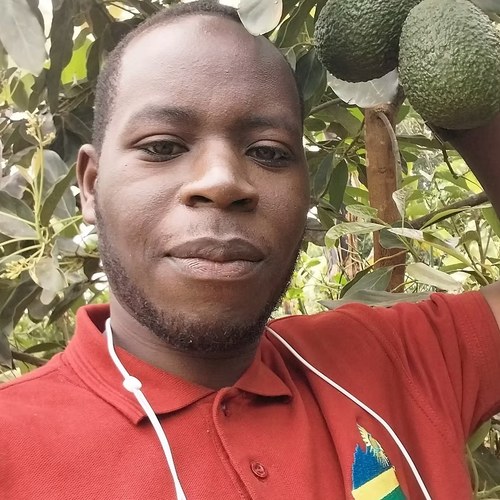
Leonard Iyamuremye, Rwandan climate and biodiversity activist and a global ambassador with Youth4Nature, advocates for financing for youth initiatives globally through storytelling, restoration action on the ground, and three pillars of capacity building, knowledge sharing, and the production of knowledge resources. You can read more about his work in Top Africa News.
Interested in the Global Restoration Collaborative? Reach out via the Engage page or contact the EcoRestoration Alliance.